Charging station rental: the complete guide
The shift to electric vehicles and devices is accelerating. Whether to charge a smartphone in a restaurant or a car in a car park, charging station rental is establishing itself as a flexible and cost-effective solution. It lets you offer a service without committing to heavy upfront investment. This guide details the benefits, the rental process, equipment maintenance and compares renting with buying to help you make an informed decision.
Benefits of renting a charging station
Renting a station offers many advantages for both professionals and individuals who want to offer a charging service. This section highlights flexibility, the low upfront cost and adaptation to specific needs.
Flexibility and no long-term commitment
Opting to rent a charging station gives you a modular service. Unlike buying, renting does not impose a long financial commitment. It makes it easier to keep up with technological change, because you can upgrade or change model according to your needs. What are the benefits of renting an electric charging station? The main advantage is the ability to test solutions without tying up significant capital. Businesses, shops or local authorities can thus adjust the number of stations according to footfall and demand, notably during temporary events or periods of high activity. This flexibility minimises the risks linked to a lasting investment in infrastructure that can quickly become obsolete.
Lower upfront cost than buying
The price of an electric charging station can represent a high investment, especially for small-business or car park owners. Renting spreads the cost as a monthly payment rather than paying everything upfront. This approach preserves cash flow and simplifies financial management. How is a charging service monetised? Generally, monetisation rests on several models: billing per kWh consumed, an hourly rate or flat rates for defined periods. Under a rental, some providers offer turnkey solutions including installation, maintenance and the payment platform. The upfront cost is thus reduced and the revenue generated can quickly cover the station's rent. This is a major asset for those who want to offer an electric charging service without taking financial risks.
Solutions suited to professional needs
Businesses and public bodies have varied needs: charging fleet cars, offering a service to visitors or powering mobile devices on a self-service basis. Station rental contracts let you select specific models (fast station, simple socket, mobile charging solution) according to the use case. For restaurants and hotels, compact solutions can charge several phones at the same time without taking up space. Electric mobility professionals, for their part, will favour powerful stations able to deliver fast charging to electric vehicles. Is it permitted to rent out charging stations? Yes, it is perfectly legal to rent stations, provided you comply with current standards and take out the necessary insurance. Some contracts also include access to a maintenance network available 24/7, guaranteeing uninterrupted service.
The process of renting a charging station
Renting a charging station is not something to do at random. It is essential to choose the right provider, understand the contract terms and plan the installation to ensure a reliable and safe service.
Steps to choose the right provider
Before signing a rental contract, analyse your needs (number of users, type of device or vehicle to charge, location). Then compare the offers of the different providers. Some specialise in self-service mobile charging, while others target electric cars. For businesses, it is important to check the compatibility of the stations with the fleet vehicles and the possibility of adding extra options such as access management or automated billing. A serious provider should support you in your specific case study, provide references and offer responsive customer service.
Rental contract details: term, monthly payments and conditions
Contracts vary according to term (a few months to several years) and payment terms. A long-term contract can offer a lower monthly rent, but may come with fees for early termination. Conditions generally include maintenance, an equipment warranty and the possibility of technological upgrades during the contract. How much does it cost to rent an electric charging station? The cost depends on the type of station, the power delivered and the associated services. For a fast charging station intended for an electric vehicle, the rent can range from a few tens to several hundred euros a month. For a self-service smartphone station, the monthly bill is often more modest and depends on the number of units rented.
Installation and commissioning: what you need to know
A successful installation relies on a prior study of the electrical network and the location. The installer must make sure the charging socket and cables used comply with safety standards. How do you rent a charging station? After selecting the provider and signing the contract, the installation is scheduled. The provider takes care of fitting the station, connecting the power supply and testing the charging. They also provide instructions on use and monitoring. Some companies offer a mobile app that lets you monitor consumption, start charging or receive alerts in the event of a problem. Which apps can you use to rent out your charging station to individuals? Platforms exist to share your station with the public. They connect station owners with users looking for a charging point, allowing you to manage bookings, payments and real-time availability.
Maintenance and upkeep of rented charging stations
The success of an electric charging service depends on the reliability of the equipment. Regular maintenance guarantees optimal performance and greater safety for users.
Services included in the rental contract
Most rental offers include preventive maintenance: checking cables, safety checks, software updates and replacement of worn parts. Regular monitoring extends the life of the station and maintains constant availability. For mobile charging stations intended for smartphones, the provider often handles battery replacement and cleaning of the connectors.
Fault handling and technical support
Technical incidents can occur, whether a software malfunction or a power supply problem. A rental contract should include fast technical support. Serious providers have a hotline available at any time and teams able to intervene on site in the event of a breakdown. This is particularly important when the station is installed in a public car park or a commercial space where the service cannot be interrupted. For self-service devices, quick replacement of the station in the event of a fault avoids any loss of revenue.
The importance of warranty and regular monitoring
Regular monitoring ensures compliance with safety standards and user satisfaction. A poorly maintained station can cause overloads or interruptions to charging, damaging the reputation of the service. Warranties generally cover parts and labour for the whole duration of the contract. In addition, regular monitoring lets you adapt the service to market changes: an increase in available power, adding new sockets or installing extra stations on other parking spaces.

Renting vs buying a charging station
The question naturally arises of the best choice between renting and buying a station. Each option has advantages and drawbacks depending on the context. Discover our comparison article on the different portable power bank station rental services here!
Long-term cost analysis
Buying a station represents a significant upfront investment. If you plan intensive use over several years, buying can prove profitable, because you avoid the monthly rent. However, this investment must be amortised. Installation, maintenance and update costs can quickly add up. By contrast, renting spreads the expense over the duration of the contract and covers any replacements. If the project ends or needs change, the rent can be stopped at the end of the contract, without having to resell equipment that has become obsolete.
Assessing the pros and cons of each option
Renting offers great flexibility, a fixed monthly price and regular technological updates. It particularly suits businesses or local authorities that want to test the service or that plan a gradual increase in the number of stations. Buying, for its part, suits businesses with stable footfall that can amortise the investment over the long term. It allows you to customise the station fully and to own it. What are the benefits of offering self-service phone charging? Offering a self-service charging service improves the customer experience, increases time spent at the point of sale and generates additional revenue. It also enhances the image of a company that is innovative and attentive to its customers' needs. Ultimately, the choice between renting and buying depends on your company's strategy, your budget and your ambitions.
Conclusion: choosing a solution suited to your needs
Charging station rental appears as a flexible and financially accessible solution to meet the growing energy demand of mobile devices and electric vehicles. It lets you quickly offer a modern service without heavy upfront investment, adapt to technological change and benefit from professional support for installation and maintenance. We have explored the benefits of renting, the steps to choose a provider, the details of the rental contract, the handling of maintenance and the comparison with buying. It is now up to you to determine the solution that best fits your situation. By making the right choice, you will contribute to the spread of charging solutions and benefit from reliable, scalable infrastructure.
Discover OneFlash, the European leader in self-service mobile charging!
Découvrez tout nos autres articles :
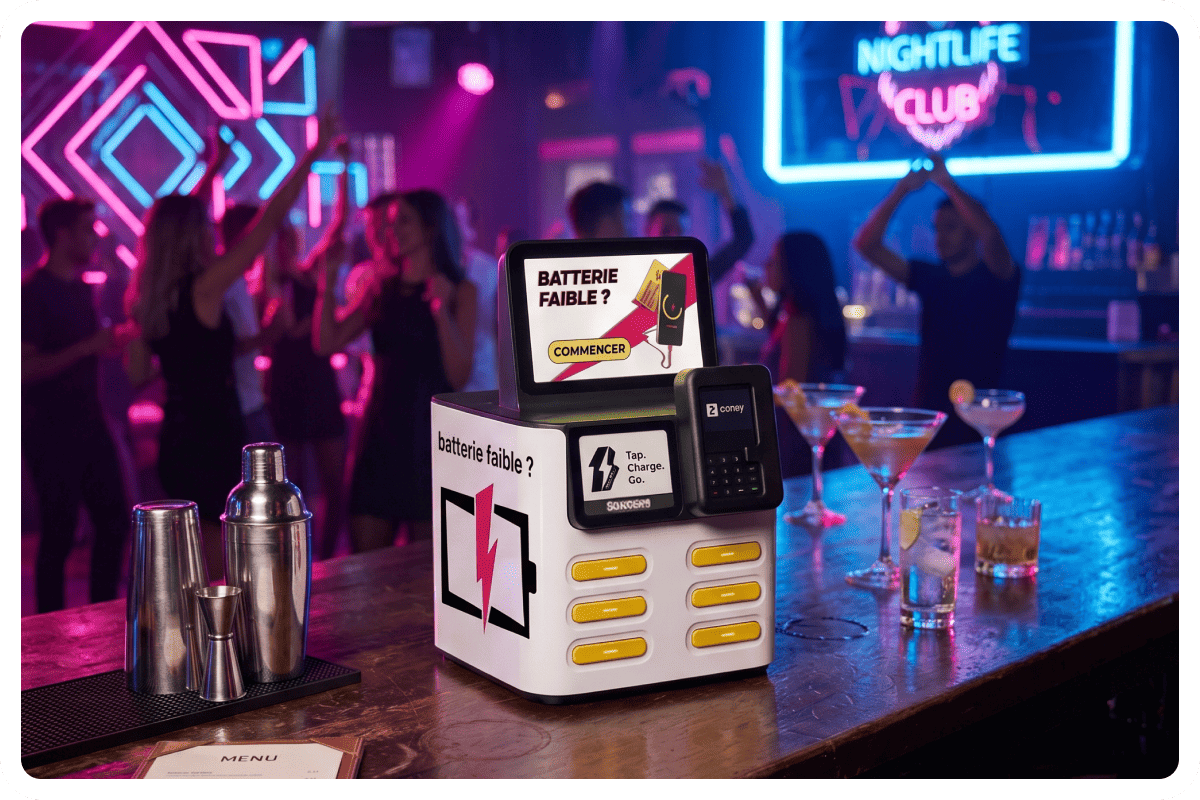
Self-service power banks: phone charging for bars and nightclubs

Standalone power bank station: phone charging at the restaurant
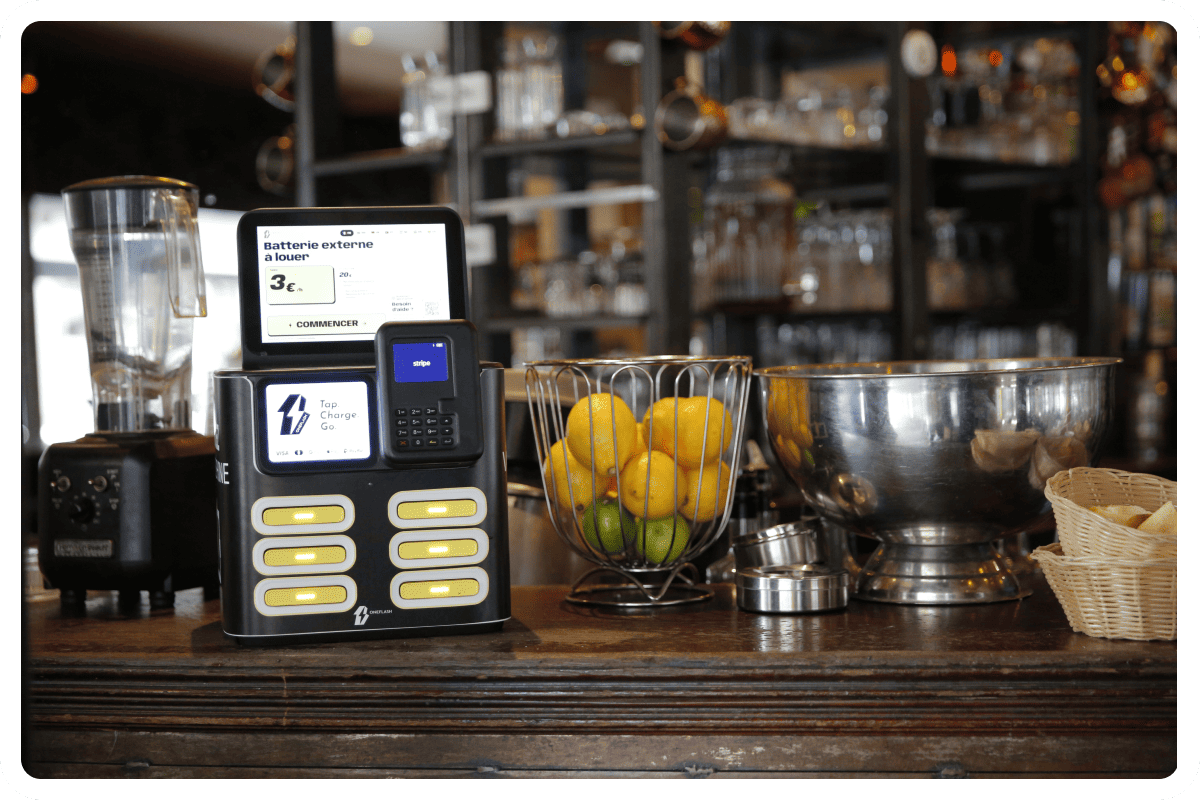
Customer loyalty in restaurants: bring guests back with phone charging

Customer knowledge: how to collect the right data
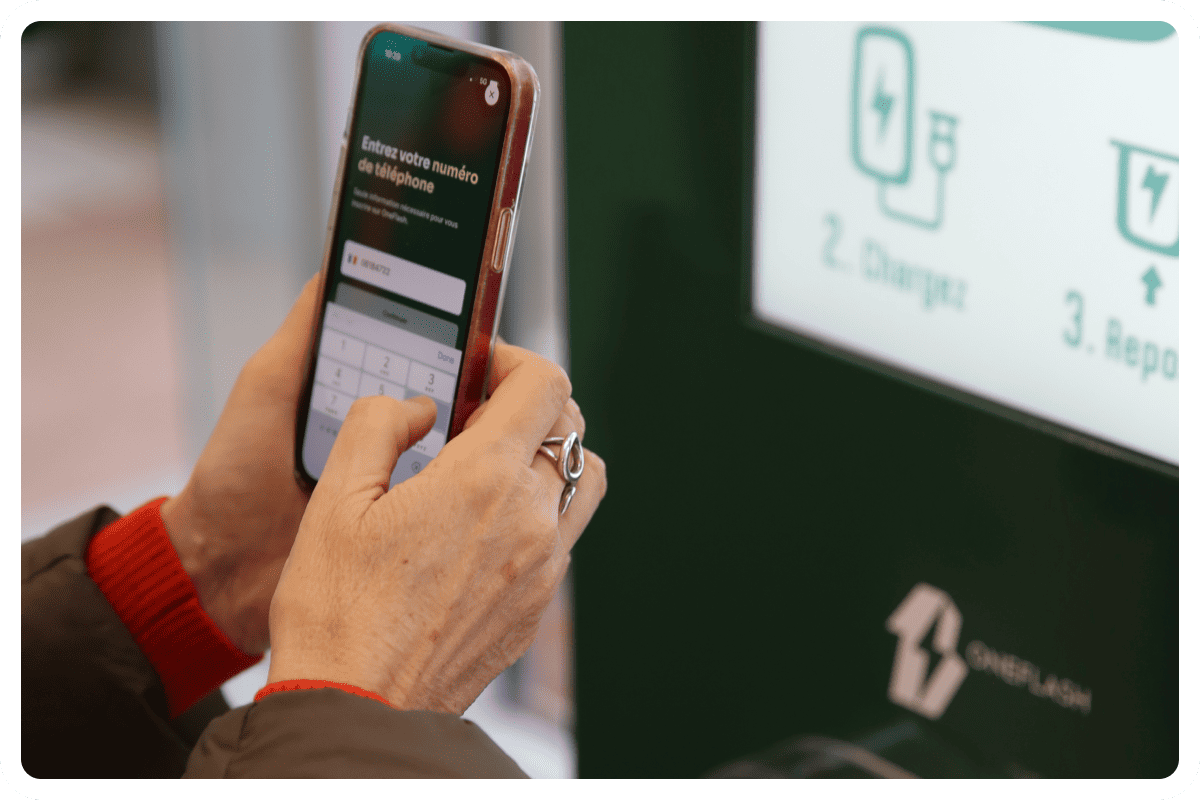
Marketing activation: turning every interaction into an engagement lever for your brand
.jpeg)
Phone lockers: the limits and the modern alternative
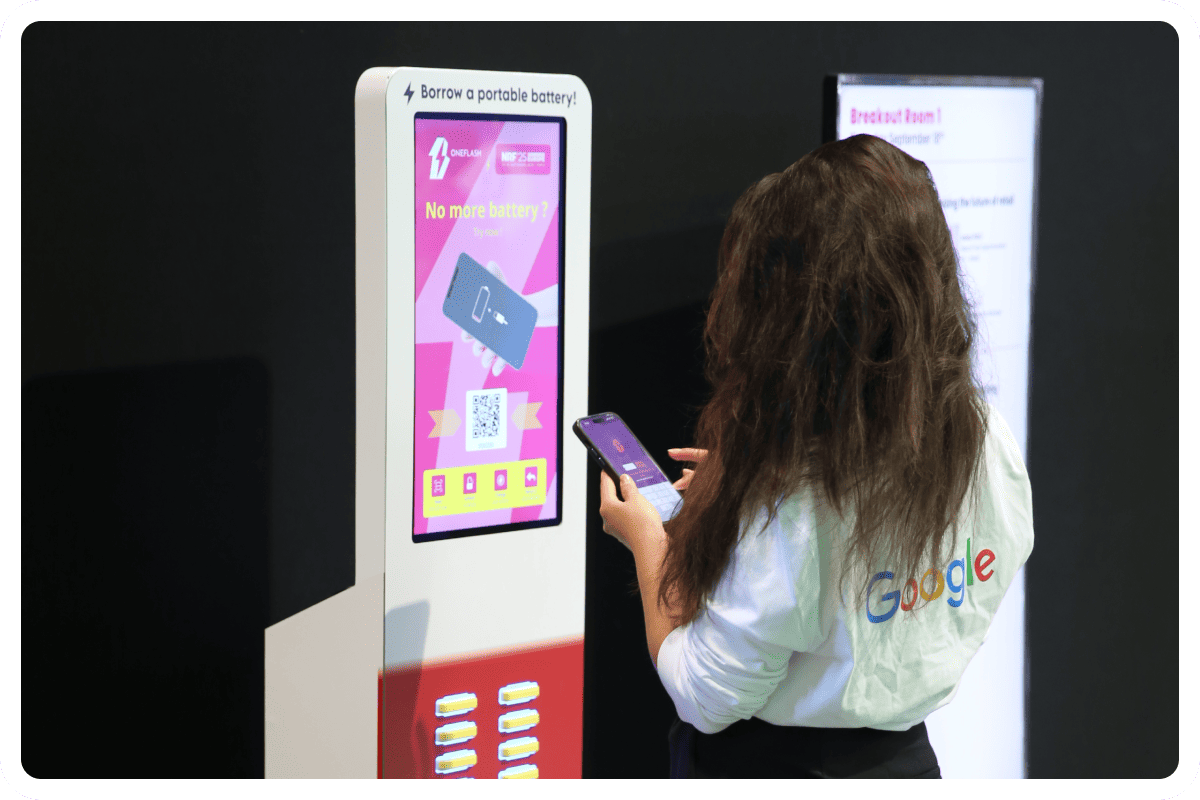
Charging stations in conference centres: equipping an event

Charging stations in theme parks: improving the visitor experience all day long
CSR approach: the mobile charging station, a concrete lever for businesses welcoming the public
Grégory Sion (Pierre & Vacances): Share Your Power - Episode 14
Sébastien Manceau (European Camping Group): Share Your Power - Episode 13
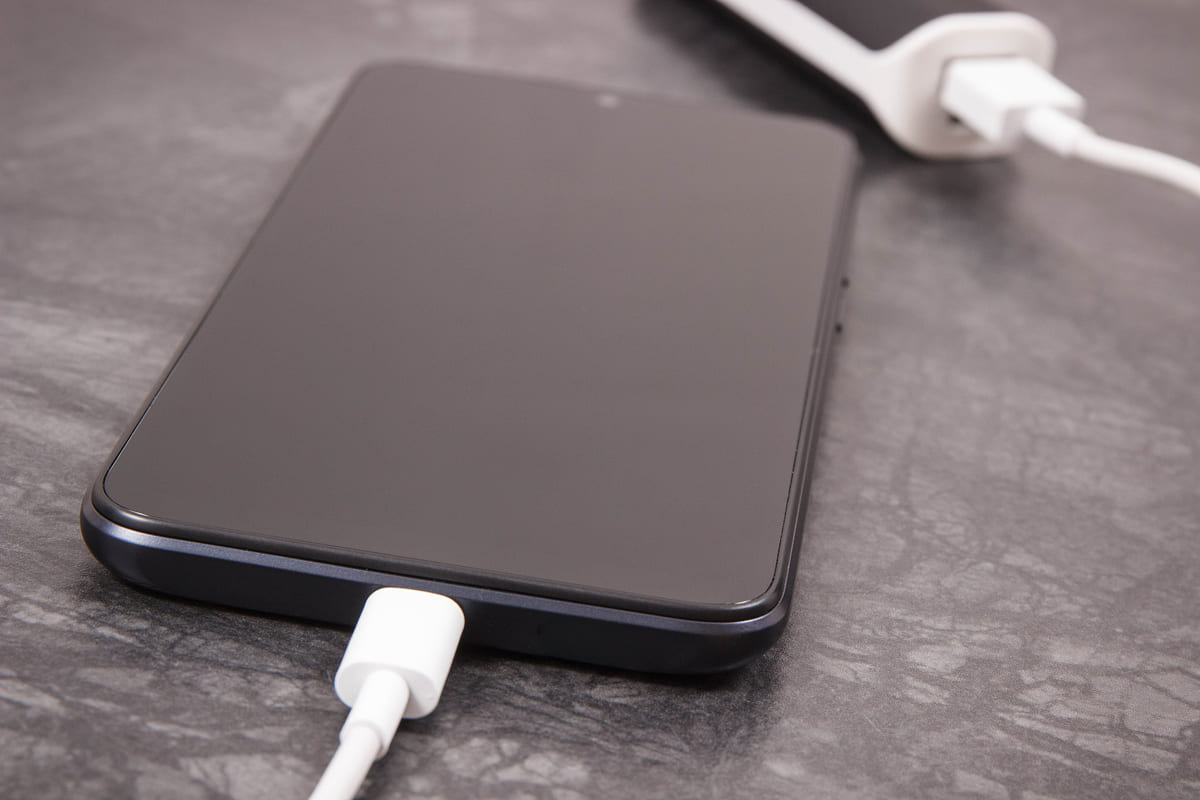
Mobile charging: every way to charge your phone easily

Dominique Thillaud (Compagnie des Alpes): Share Your Power - Episode 12
.jpeg)
Charging stations: the complete guide to choosing

Mike Hadjadj (La Retail Tech): Share Your Power - Episode 11
%2520(1).jpeg)
USB fast charging: the complete guide
Antoine de Tavernost (Auditoire): Share Your Power - Episode 10

Power banks for mobile devices: the complete guide
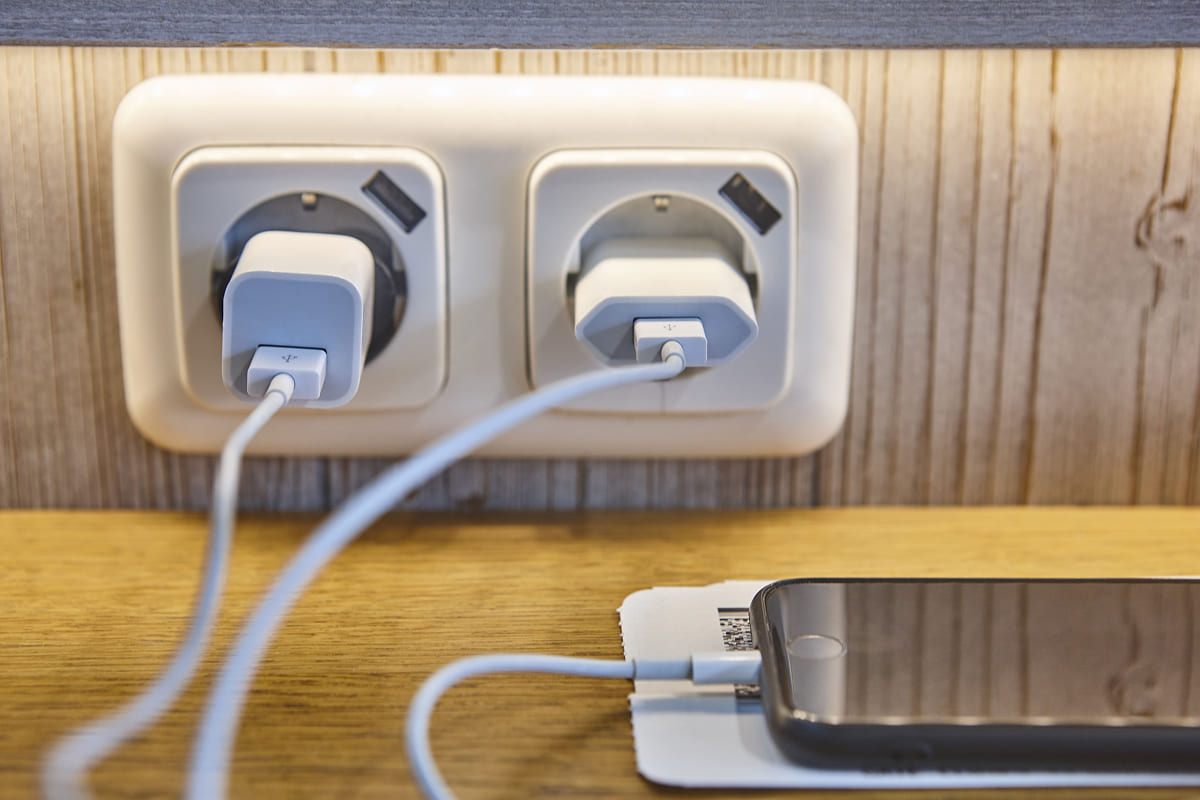
Phone charging in public places: wall sockets
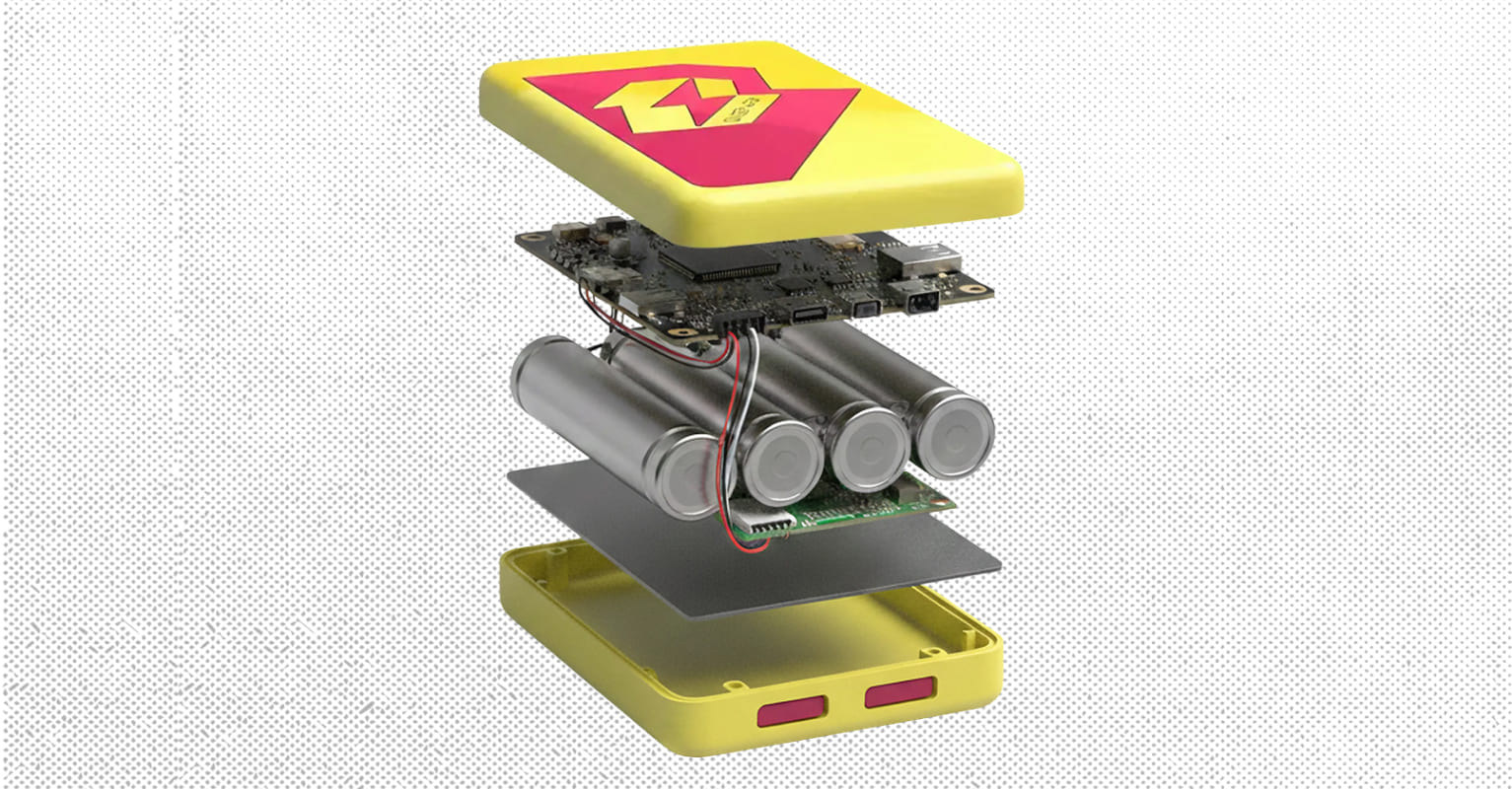
Ask Jamy! How does a power bank work?

In-store customer experience tools: the levers to activate

Are portable power banks dangerous?
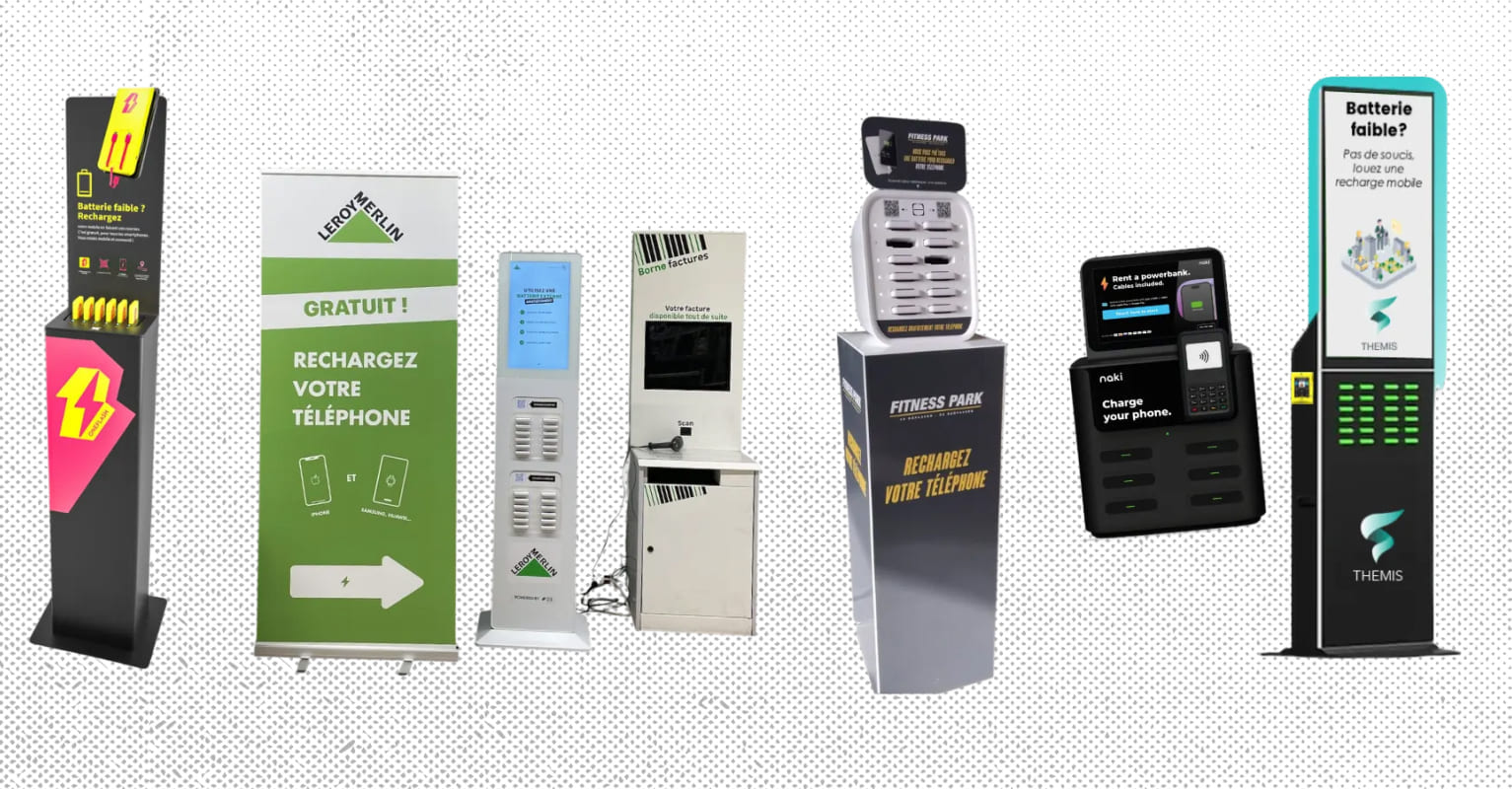
The best power bank station services