In-store customer experience tools: the levers to activate
When you welcome the public, you quickly notice that a visit is not only about what you offer. It depends on everything that happens around it. If it is simple, people stay. If it becomes a chore, they cut it short.
The most frustrating part is that it is almost never “one big problem”. It is often a sum of small frictions: information that cannot be found, an area that is poorly understood, a confusing end of journey, a customer who does not know who to ask a simple question. And once these irritants set in, you lose time on site, peace of mind, then spending.
The aim is not to buy tools just to tick a box. The aim is to choose the right in-store customer experience tools, with concrete levers that are easy to run and above all measurable, without turning it into an endless project.
In this article, you will first find the tools that genuinely move the on-site experience. Then a modern lever that is often underrated but very much a field matter: smartphone charging, with a clear comparison between a phone charging station and a self-service portable power bank.
In-store customer experience tools: the levers that really make a difference on site
Measure what is stuck, without overengineering
Before choosing a tool, the real risk is simple: fixing what makes noise internally rather than what weighs on the customer side. This is exactly where measurement becomes useful.
In a physical setting, you do not need long questionnaires. They discourage people, and you do not get enough volume to decide. Conversely, a short, well-placed format can give you, within one to two weeks, a very operational reading: at what point people tense up, which topic keeps coming back, and which area or step creates the most drop-off.
The difference is not made by sophistication, but by the simplicity of the question, the quality of the placement, and the ability to group answers quickly by theme. If you cannot go from customer feedback to a concrete action, it is not an “analysis” problem: the tool or set-up is too heavy.
Make information available, not just visible
A large part of the in-store customer experience is won on something very basic: stopping the customer from having to search. The problem is not that the information does not exist. The problem is that it is not in the right place, or in the right format, or at the right time.
The useful tools here are not the ones that “communicate more”, but the ones that shorten simple questions. An FAQ that can genuinely be read in a few seconds, a well-placed QR code that answers the most frequent question, signage that saves you from sending the customer to several people. A visitor does not want to investigate, they want to carry on with their visit.
Take care of the end of the journey, because it is what stays
In a customer experience, the ending is disproportionately important. It is often what turns into a memory, a review, a recommendation or frustration. A queue that is too long at the till, an exit that is poorly understood, a cold last interaction: that is what the customer talks about, even if the rest “went fine overall”.
Conversely, when the end is simple, you “erase” some of the imperfections of the journey. That is why many winning customer experience projects deal with the end of the visit earlier than you might think. It is not the most glamorous project, but it is often one of the most profitable.
Steer over time, without falling into the “installed then forgotten” trap
A good in-store customer experience tool does not need to be spectacular. It needs to be steerable. If your set-up takes a lot of energy to produce a decision, it will eventually die out.
The most effective steering is often the simplest: a short regular review, a few stable indicators, and a list of irritants that feeds into operations. What makes the difference is not the tool itself. It is the regularity with which you remove friction points and keep the visit smooth.
The underrated lever: charging when the smartphone is part of the visit
Today, in many contexts, the smartphone is no longer an accessory. It is part of the journey. Tickets, QR codes, maps, payment, messages, sometimes even the experience itself via an app. When the battery becomes an issue, the customer stops enjoying the visit and starts managing their battery life.
That is exactly why charging is a very concrete in-store customer experience lever. It touches something immediate: comfort and control. And unlike other topics, it is easy to measure, by usage, by location, by hour, by type of venue.
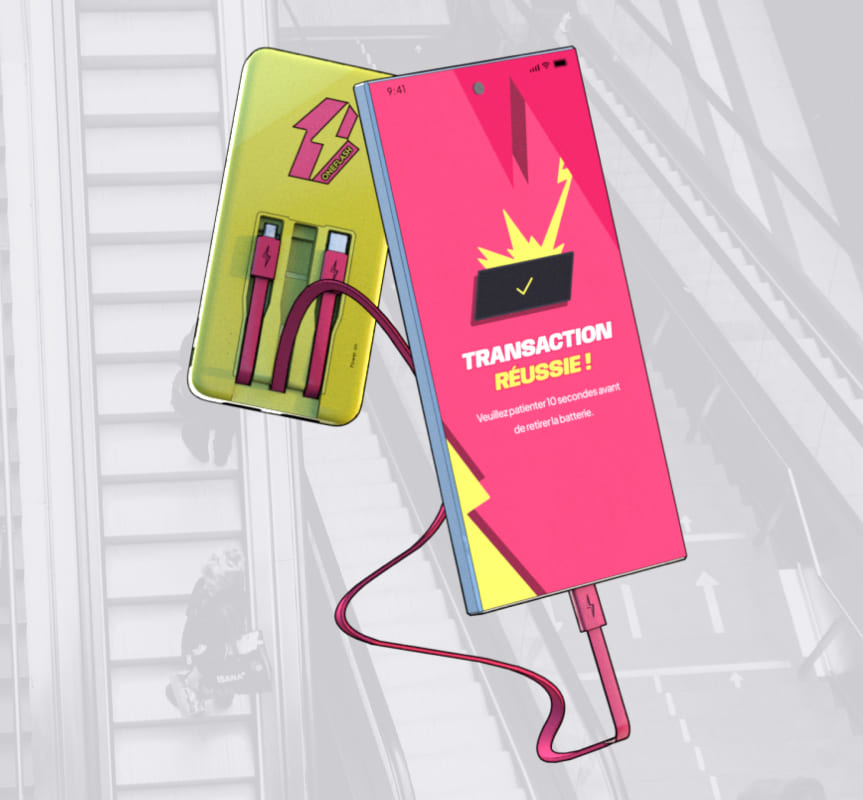
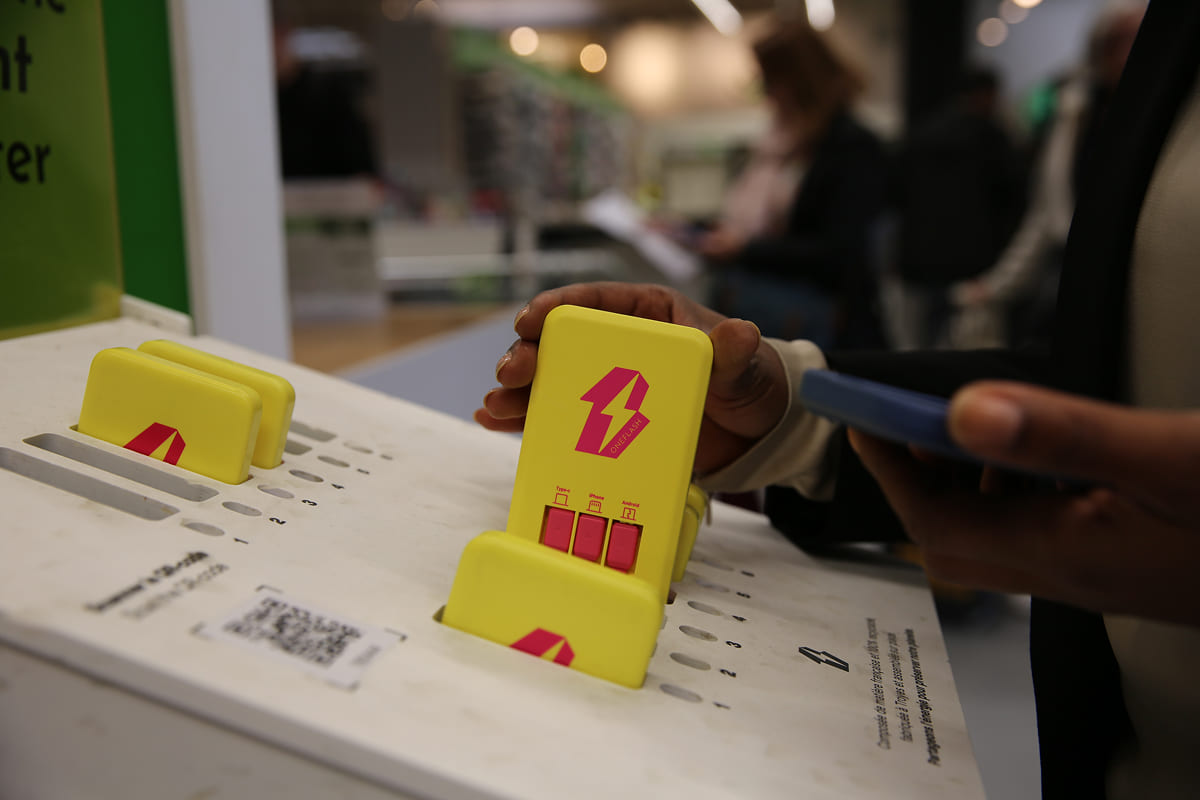
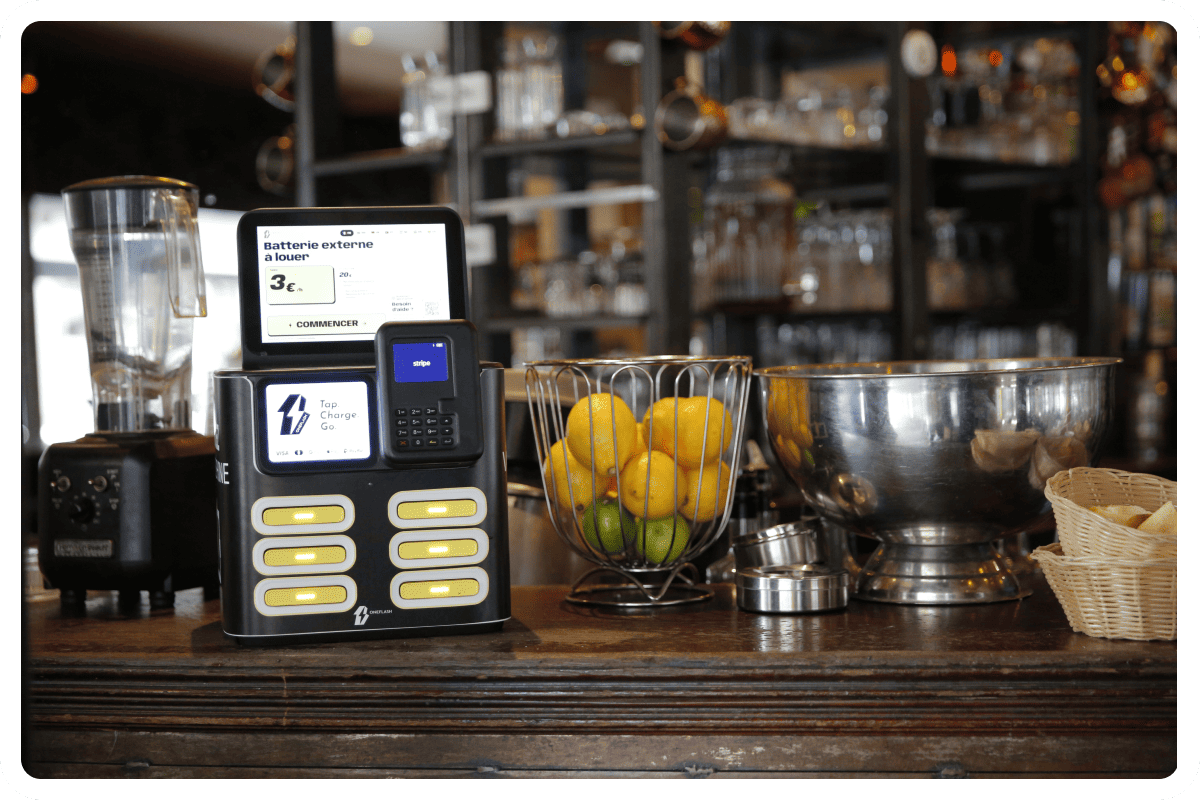
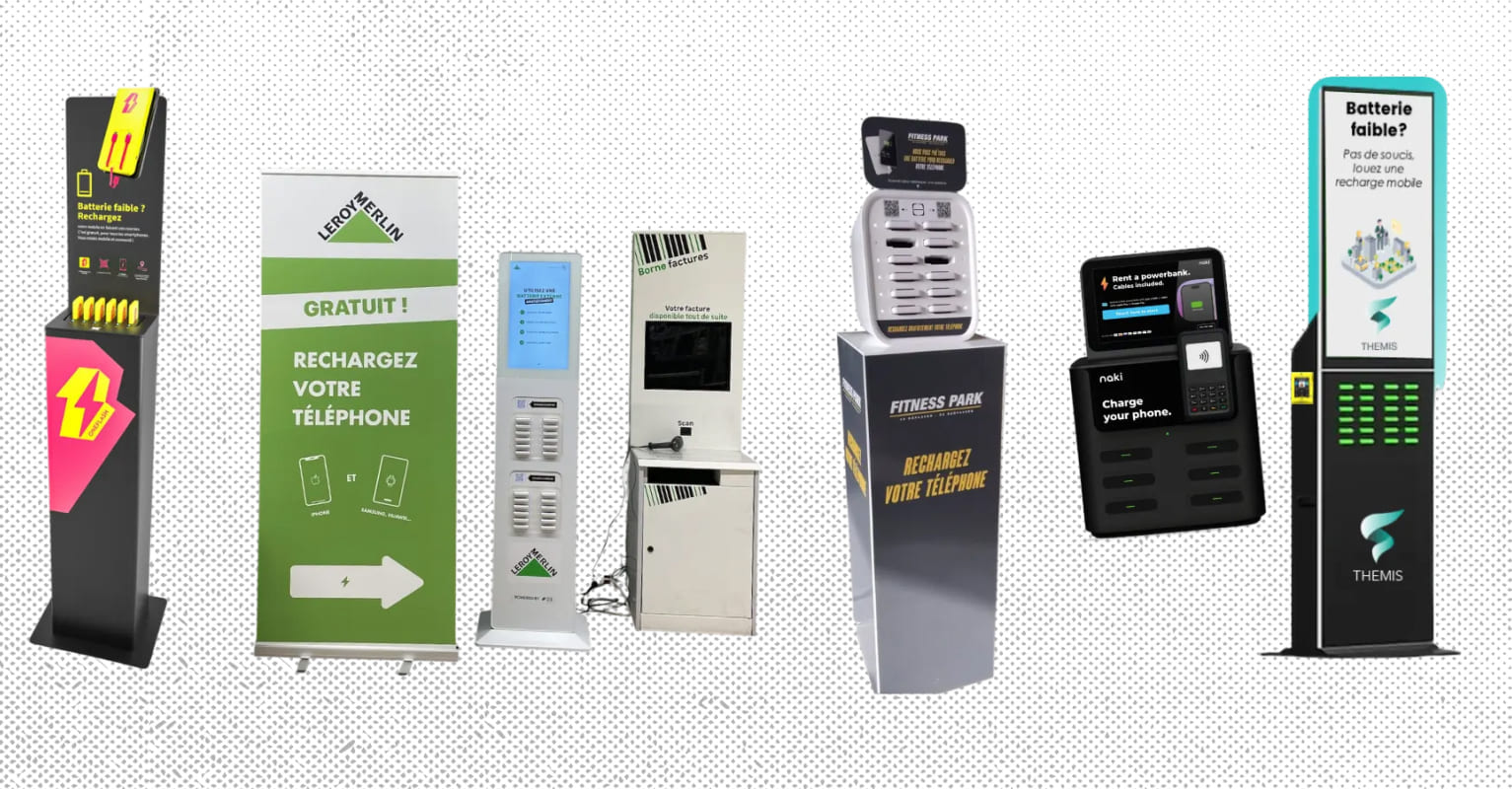
At this stage, two options often come up on the ground: the phone charging station, when the audience is happy to stay put, and the self-service portable power bank, when visitors need to keep moving.
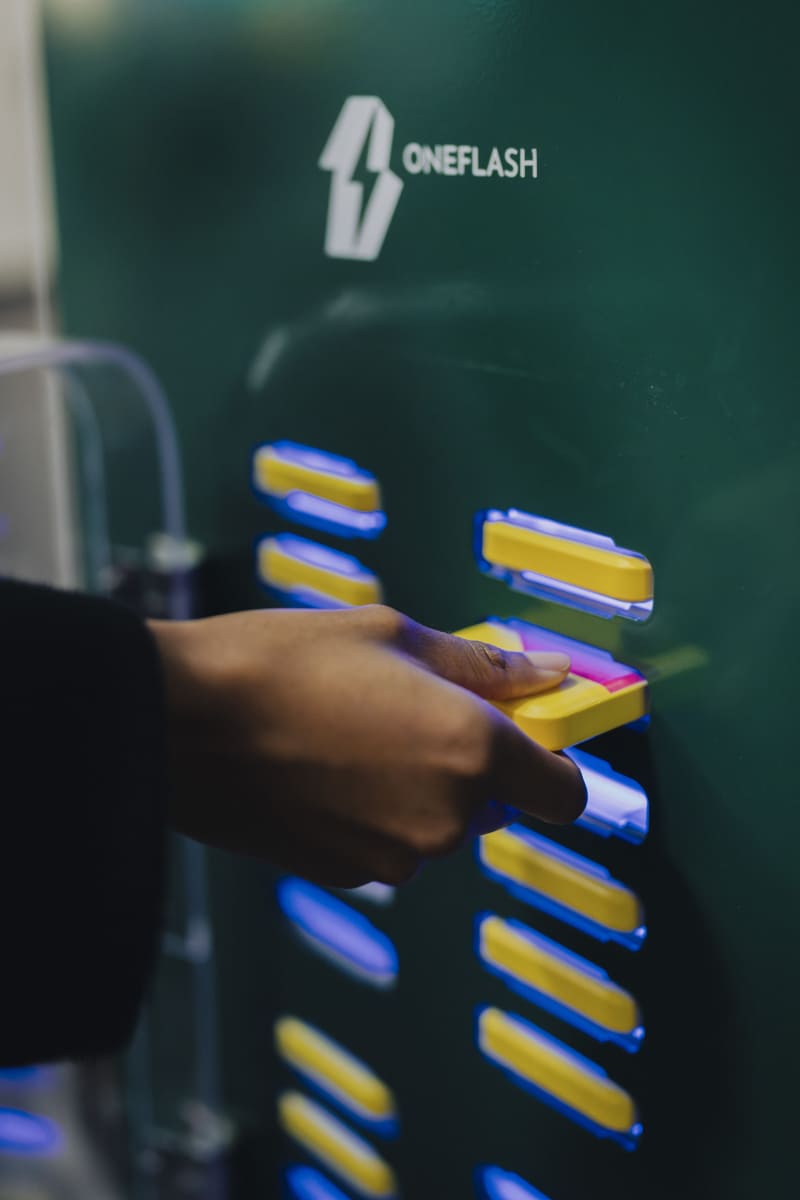
Phone charging station: when the fixed solution is the right one
A phone charging station is relevant when your audience naturally stays put. That is the key point. The fixed solution works very well in a “pause” context, when charging does not create a break in the journey.
In these cases, the station works because it fits real behaviour: the customer waits, rests, takes a break. Charging becomes a service, not a constraint.
The difference then comes down to operations. A solution can be excellent on paper and yet under-used if it is badly placed or creates too many micro-frictions. You want something simple to understand, simple to launch and simple to maintain. And above all you want an obvious location, accessible, where people already pass.
Self-service portable power bank: when visitors need to keep going
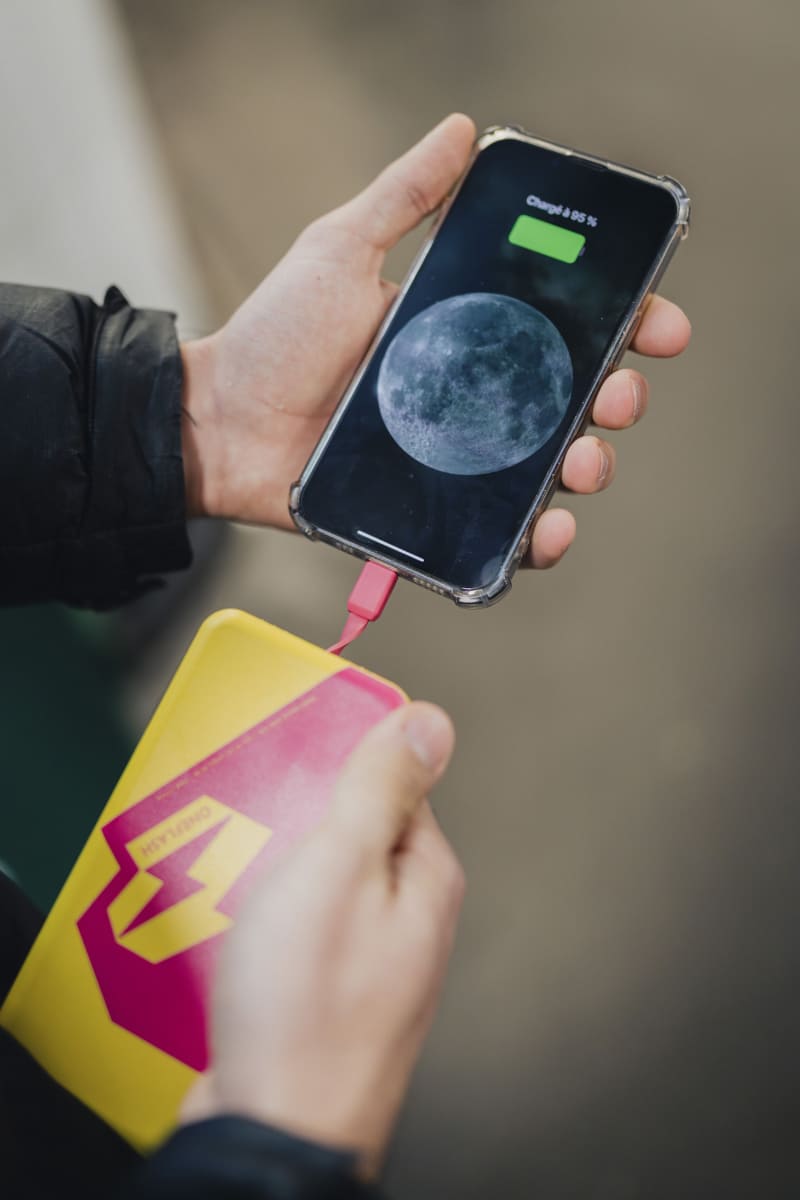
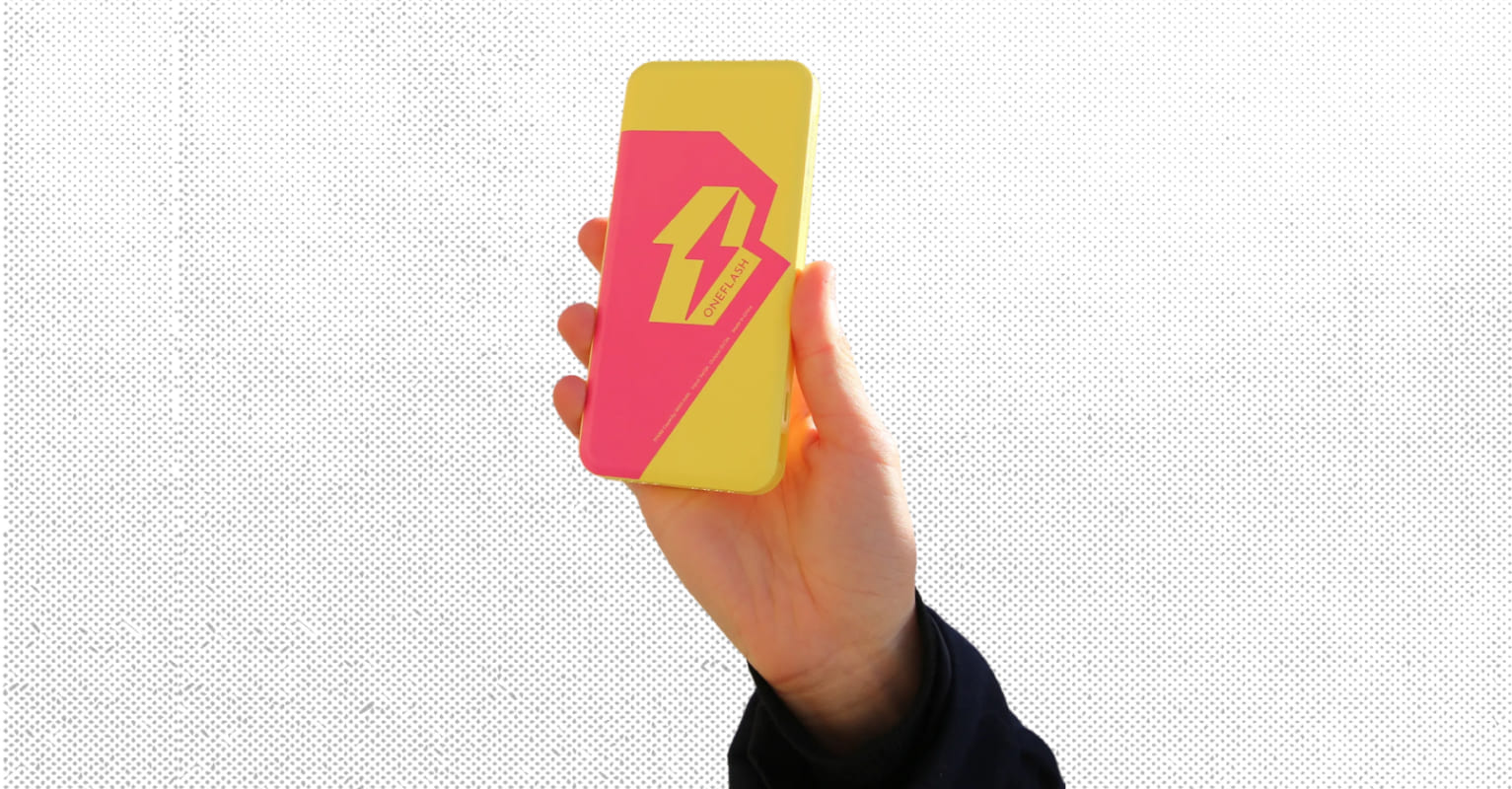
In many venues, the public does not want to stop. They want to carry on. That is where the self-service portable power bank often becomes more suitable: the customer takes a power bank, charges on the move and keeps their pace.
This logic is particularly strong when the journey is mobile, multi-zone, or when the smartphone is essential throughout the visit. In these contexts, “stationary” charging may be used less, even if it is visible. The visitor does not want to change their behaviour, they want a solution that fits their reality.
The decisive question for decision-makers is not capacity in mAh. It is operations: can it be supervised, is maintenance clear, is rotation managed, is end of life under control. In self-service, equipment ages faster, so the set-up has to absorb real-world use without turning your reception into a hotline.
That is also why some venues prefer an operated model rather than a system that circulates without control. The aim is not to pile up instructions. The aim is to quickly take out of circulation anything that does not inspire confidence, and to keep a reliable service over time.
Discover OneFlash, the European leader in self-service mobile charging!
Phone charging station vs self-service portable power bank: how to choose without getting it wrong
The right choice depends on one central criterion: the real behaviour of your visitors. If your customers are rather static, a phone charging station may be enough and work very well. If your customers are mobile, the self-service portable power bank often has stronger adoption because it does not break the rhythm of the visit.
Read our article on the best mobile charging services here.
Then come very pragmatic criteria: ease of use, clarity of maintenance, the ability to avoid repetitive questions at the counter, and how obvious the location is. The best set-up is the one that helps without creating mental load for either the customer or the team.
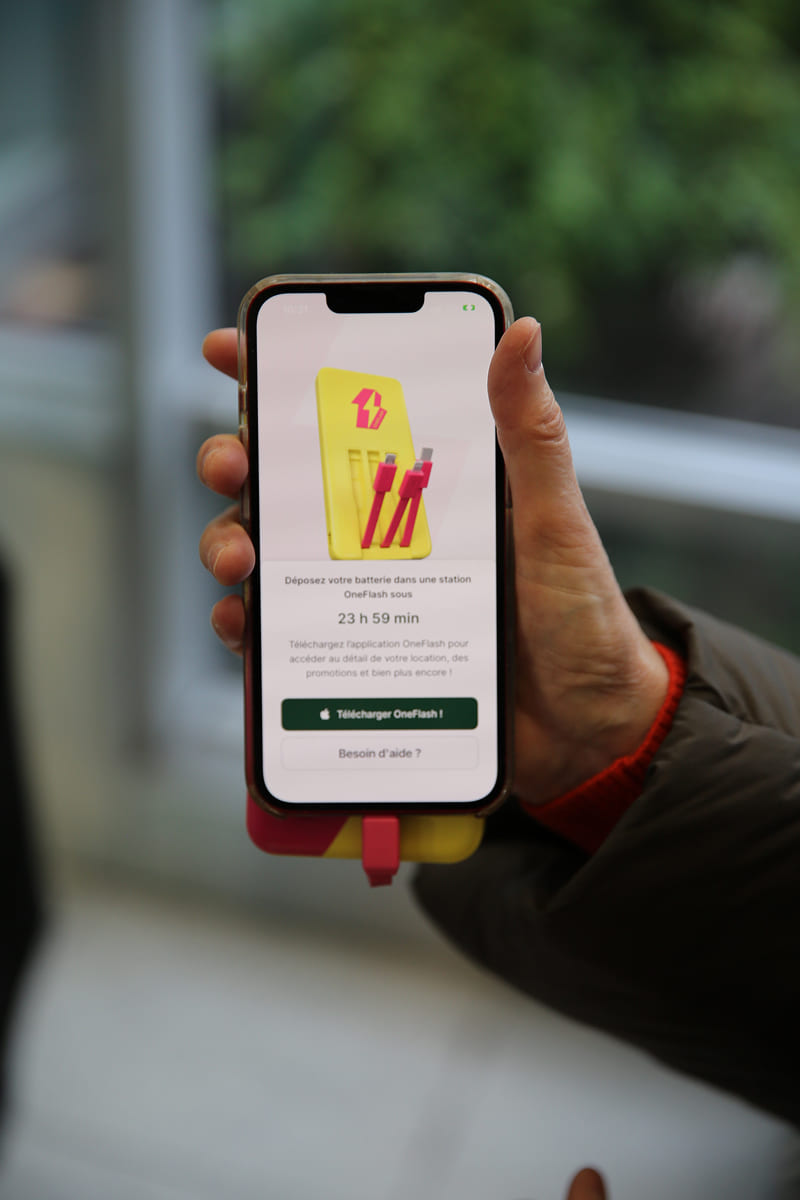
Measuring impact without promising an artificial ROI
A charging solution is not measured like a marketing campaign. You do not need to claim “each charge is worth X euros”. That is rarely credible and hard to demonstrate. On the other hand, you can prove something far more solid: you are removing a break point from the journey.
Simple signals are often the best. You look at usage by hour and by location, the peaks, the areas where demand is structural, and how feedback about the end of the visit evolves. If you manage several sites, you have a huge advantage: you can compare. A pilot across a few venues, then a decision based on comparable data, is very convincing for management.
Key takeaways
Improving the in-store customer experience is not about multiplying solutions. It is about making the journey simpler, clearer, more comfortable, and removing the break points that make people drop off. At OneFlash, that is exactly what we do.
Start by measuring in the right place, fix the moments that really weigh, take care of the end of the journey, and steer over time. And do not forget modern irritants: when the smartphone is part of the visit, the phone charging station and the self-service portable power bank are two very effective options, provided you choose them according to the real behaviour of your visitors.
Découvrez tout nos autres articles :
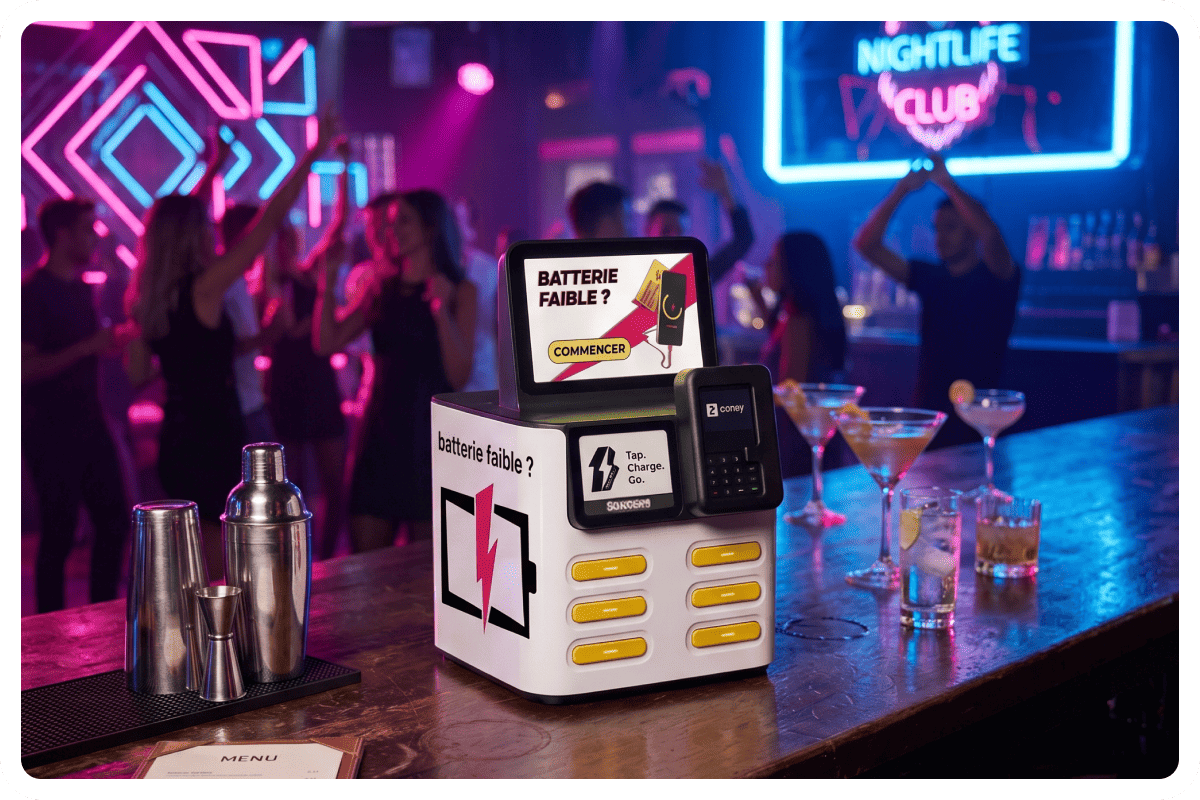
Self-service power banks: phone charging for bars and nightclubs
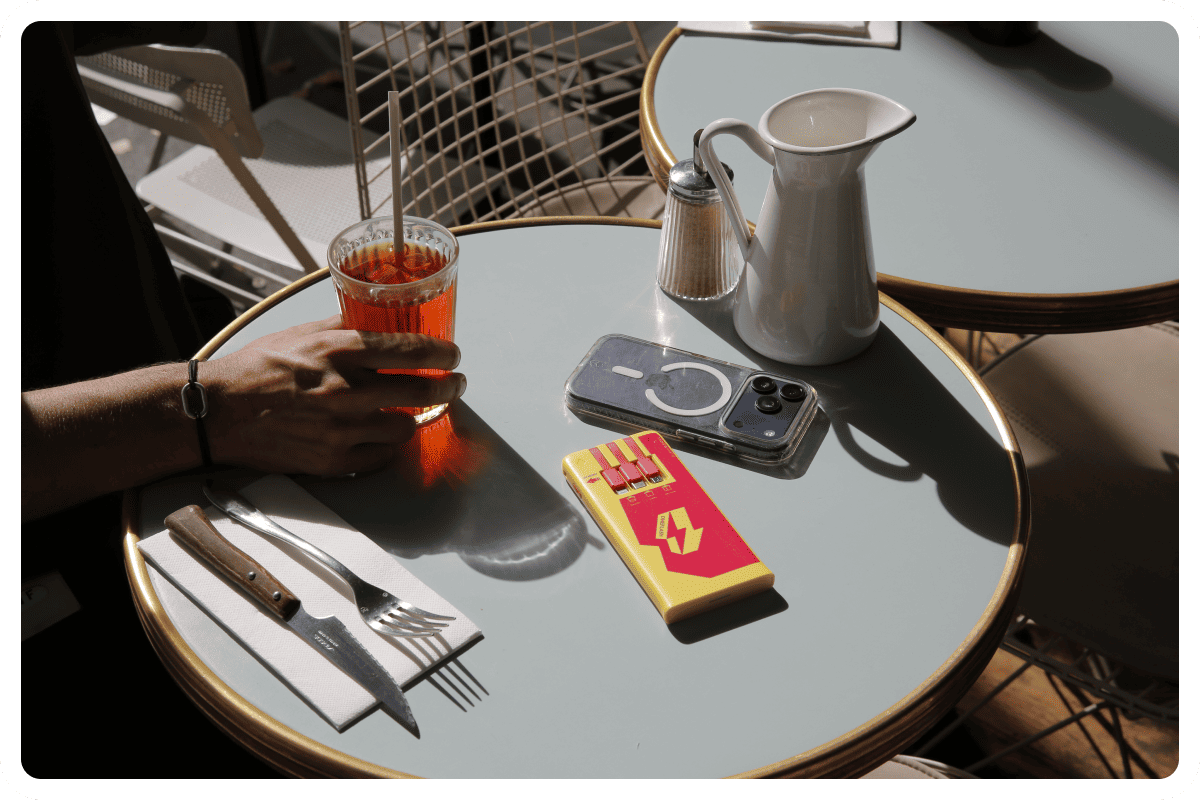
Standalone power bank station: phone charging at the restaurant
Customer loyalty in restaurants: bring guests back with phone charging
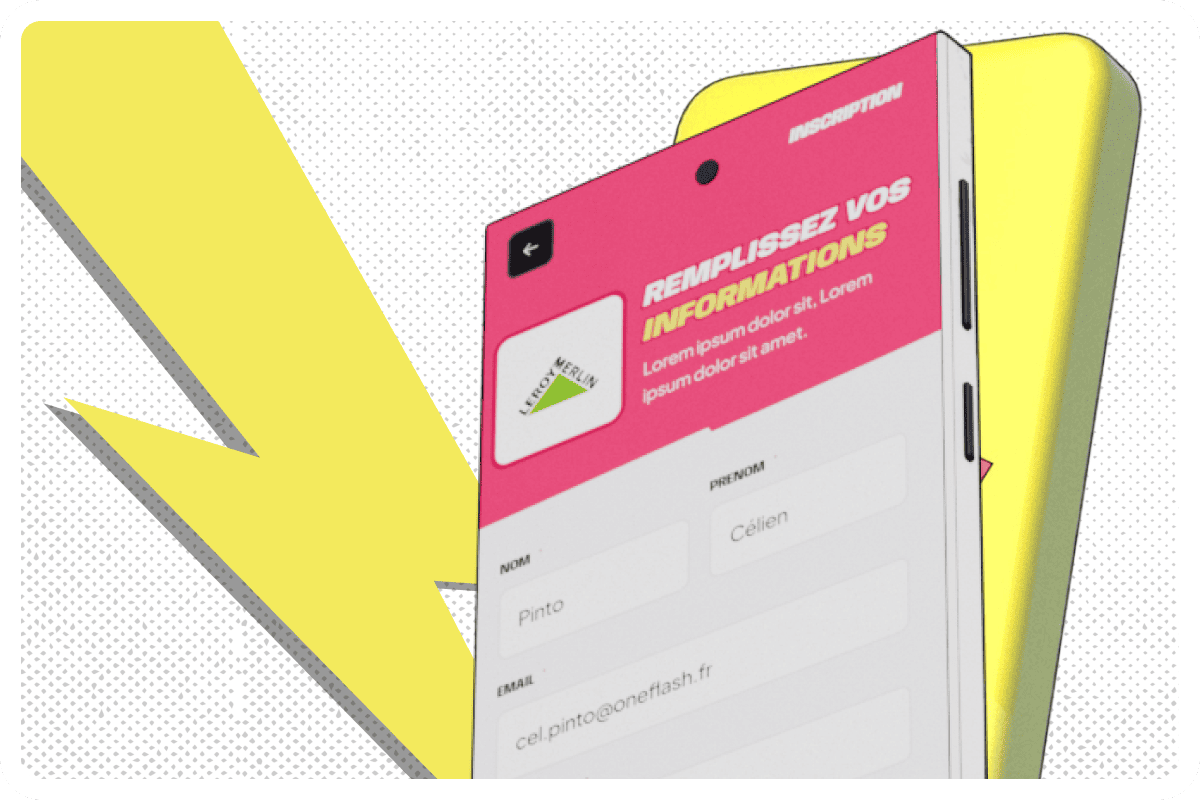
Customer knowledge: how to collect the right data
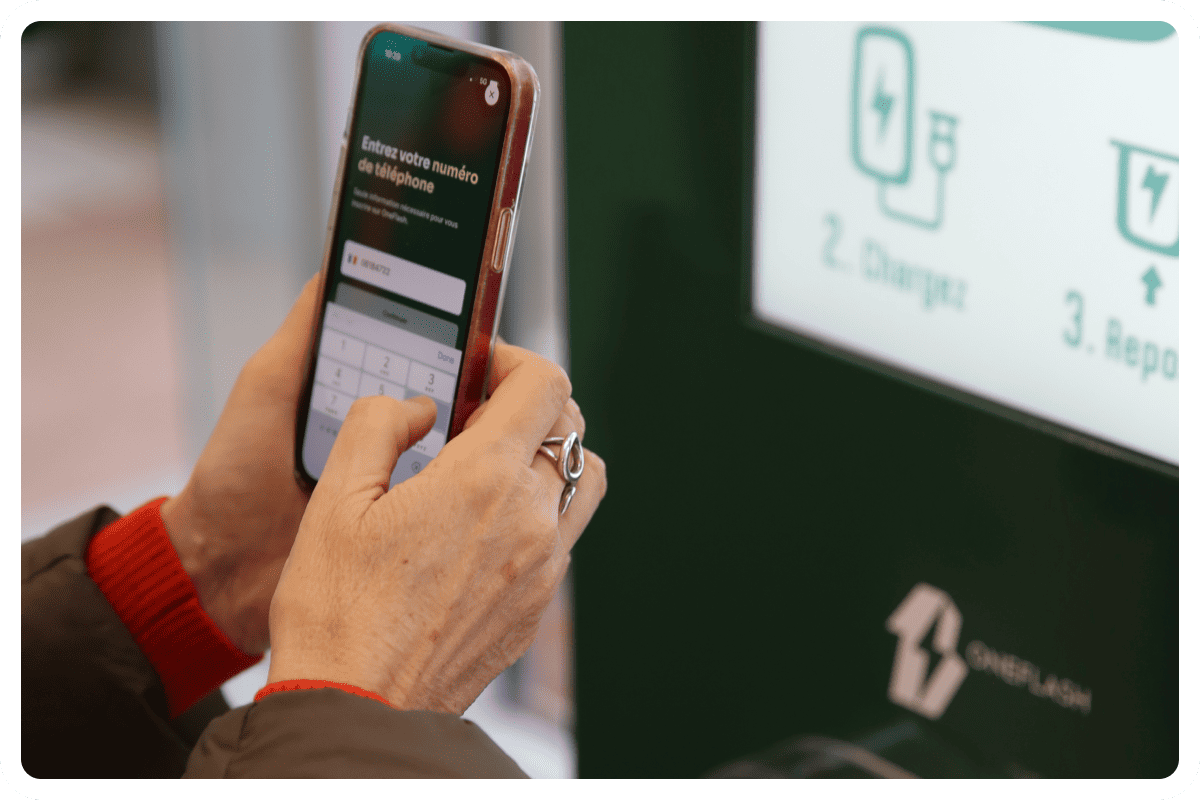
Marketing activation: turning every interaction into an engagement lever for your brand
.jpeg)
Phone lockers: the limits and the modern alternative
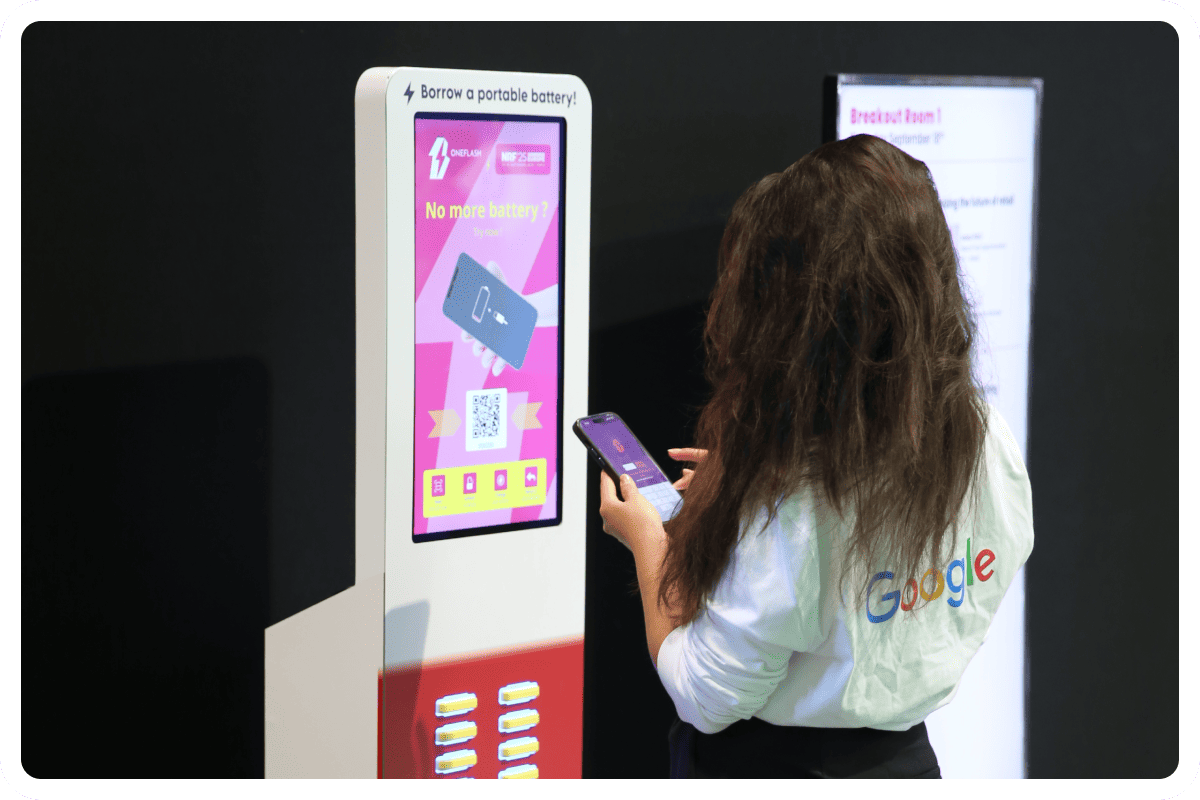
Charging stations in conference centres: equipping an event

Charging stations in theme parks: improving the visitor experience all day long
CSR approach: the mobile charging station, a concrete lever for businesses welcoming the public
Grégory Sion (Pierre & Vacances): Share Your Power - Episode 14
Sébastien Manceau (European Camping Group): Share Your Power - Episode 13
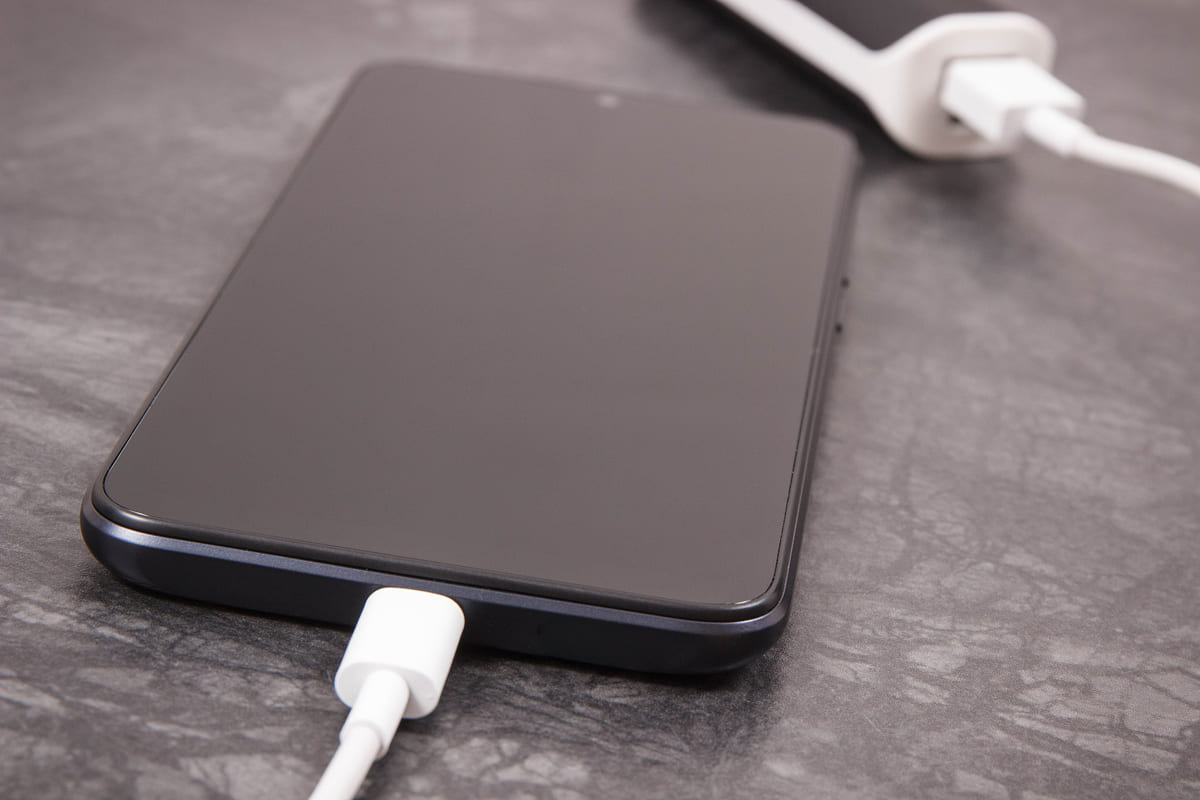
Mobile charging: every way to charge your phone easily
Dominique Thillaud (Compagnie des Alpes): Share Your Power - Episode 12
.jpeg)
Charging stations: the complete guide to choosing
Mike Hadjadj (La Retail Tech): Share Your Power - Episode 11
%2520(1).jpeg)
USB fast charging: the complete guide
Antoine de Tavernost (Auditoire): Share Your Power - Episode 10
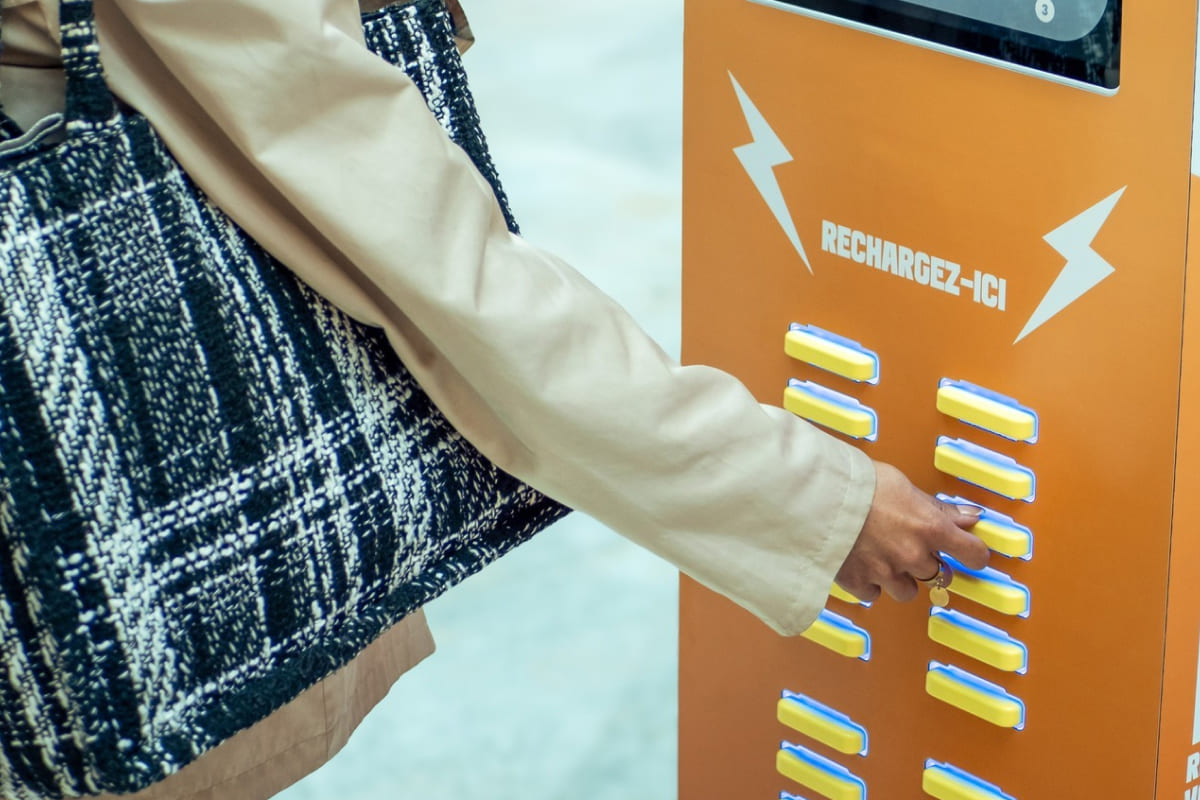
Charging station rental: the complete guide
Power banks for mobile devices: the complete guide
Phone charging in public places: wall sockets
Ask Jamy! How does a power bank work?

Are portable power banks dangerous?
The best power bank station services